Movement of Migrant Workers from Uttar Pradesh

Research at a Glance

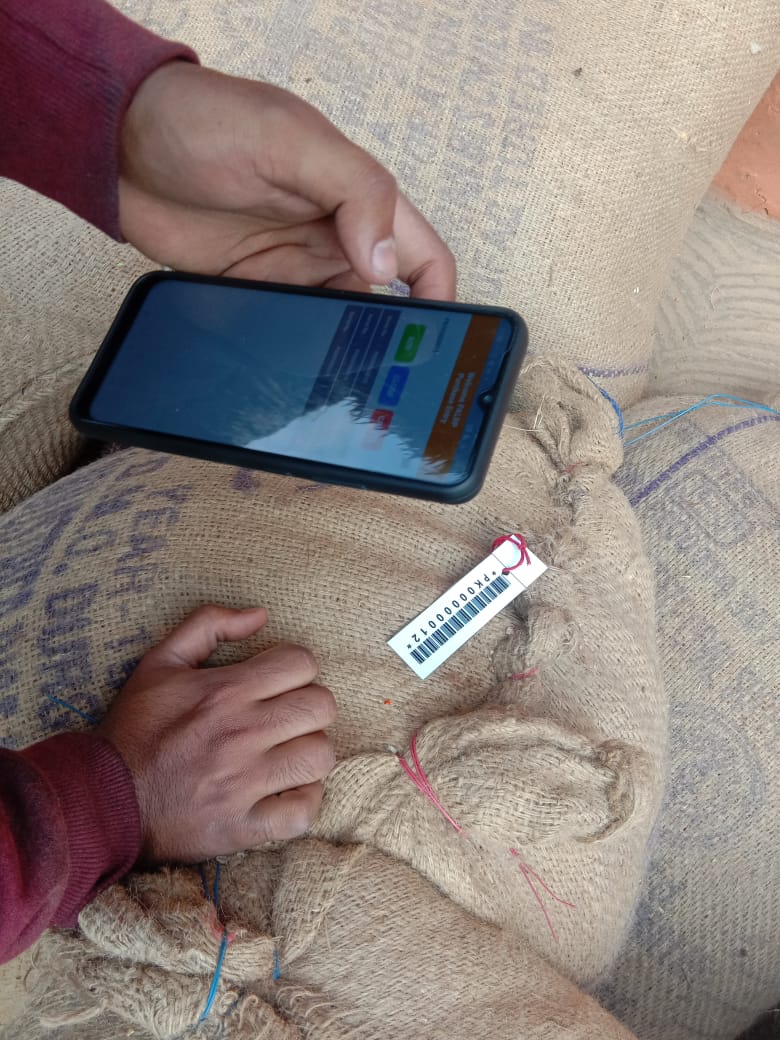
CDFI conducted this study to develop a comprehensive profile of migrant workers moving from Uttar Pradesh to various parts of India. The research, carried out between March and July 2020, aimed to understand the demographics, education levels, employment sectors, and financial inclusion of migrants, particularly those who returned home during the Covid-19 pandemic. In collaboration with ISRN and Rozgar Bharti, data were collected through a network of field workers across 15 districts of Uttar Pradesh. Using CDFI’s in-house analytics tool, SANKALP, the team analysed the profiles of 11,200 migrants, generating valuable insights for policy formulation and livelihood planning.
11,200
MN+
migrants profiled across 15 districts of Uttar Pradesh.
35
MN+
% of migrants moved towards Delhi and NCR for work.

Profiling migration patterns to create better livelihood opportunities in Uttar Pradesh.

The study revealed important insights into the scale and characteristics of migration from Uttar Pradesh:

  • 35% of migrants moved to Delhi and NCR, while others travelled to nearby states such as Haryana and Rajasthan.

  • Nearly 25% of migrants did not have formal education, highlighting a significant skill and literacy gap.

  • Over 50% of workers were employed in the labour and construction sectors, reflecting limited diversification in employment opportunities.

  • A large outflow of workers was observed from Agra and Hathras, regions with high dependency on daily wage labour.

  • Migrants working in construction and allied industries also moved to Jaipur, driven by employment opportunities in cement, brick, and marble factories.

The findings underscore the urgent need for policies that support local livelihood generation, skill training, and digital financial inclusion for migrant families at their place of domicile.

Who can benefit from this study?

State Governments and Labour Departments
Can use the findings to design targeted employment and skilling programmes for returning migrants in high-outflow districts.
Development Organisations
Can leverage the data to address regional livelihood gaps and support evidence-based migration and employment planning.

Our other projects