.jpg)
CDFI is an innovation and research centre at IFMR. Established in 2014, we have developed, supported and scaled several award-winning programs that are driving large scale impact across geographies. We work at the intersection of value chains, rural institutions, finance, markets, technology and grassroots implementation to build scalable models that enable low-income rural households to earn higher and more predictable incomes.
We combine value-chain expertise, business model design, market linkages, financial inclusion and digital solutions with the grassroots reach of NGO and community partners to design and implement scalable livelihood models.
Our core proposition is simple:
Sustainable livelihoods are created not merely by training people, but by making the economic system around them work. CDFI therefore focuses on designing the economic architecture that enables rural producers and enterprises to participate more effectively in markets.
We identify where value is being lost in rural value chains, where producers face constraints, which institutions are best placed to address those constraints, and how markets, finance, technology and government programmes can be brought together to create viable economic opportunities.
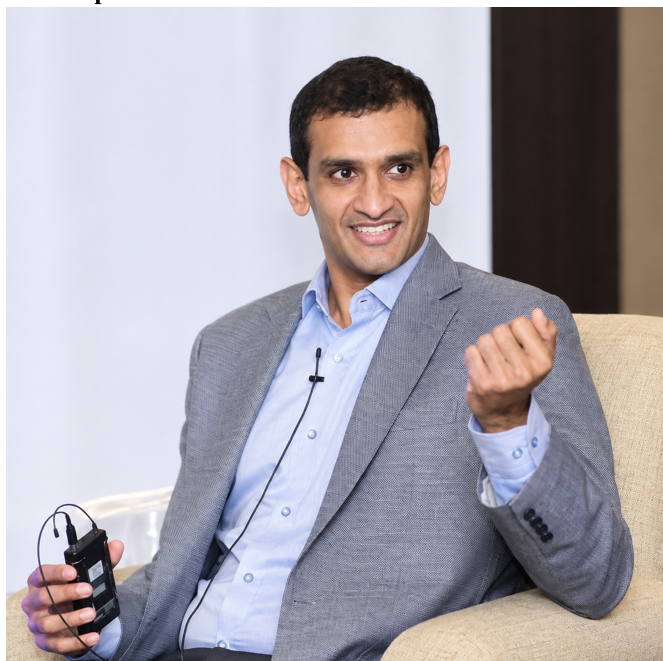
Kapil Viswanathan is the President of the Institute for Financial Management and Research (IFMR) and a Member of the Governing Council of Krea University.
He has played a central role in the conception and establishment of Krea University and brings extensive experience across entrepreneurship, technology, education and institution-building. Previously, he was the co-founder and co-CEO of Lumina Datamatics, a global content services company, and earlier led global sales for a division of Tata Consultancy Services. Kapil is actively engaged in advancing research, innovation and institution-building across the IFMR–Krea ecosystem, with a focus on translating knowledge and technology into meaningful social and economic impact.
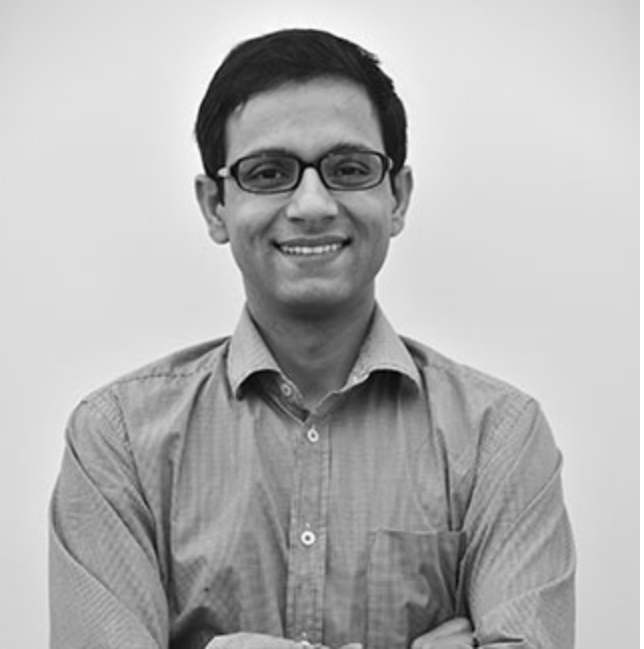
Rajendra Thakur is the Executive Director of the Centre for Digital Financial Inclusion (CDFI), where he leads the organisation’s work on digital innovation, financial inclusion and sustainable livelihoods. He brings over 15 years of professional experience across digital financial services, technology-led development, financial inclusion and data-driven governance. His work involves partnering with governments, development institutions and private-sector stakeholders to design and implement scalable digital solutions that strengthen public systems and improve access to services for underserved communities. At CDFI, his work spans digital public infrastructure, financial inclusion, rural development and livelihood promotion, with a focus on translating research and technology into practical, scalable solutions. Rajendra is an alumnus of the Indian Institute of Management Calcutta.
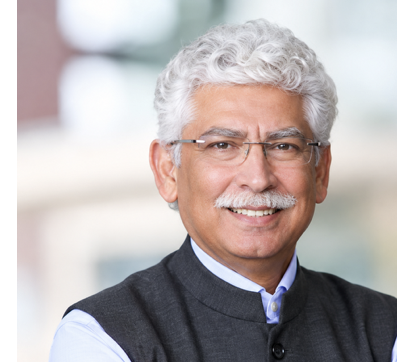
Dr. Pawan Bakhshi is India Lead for Inclusive Financial Systems at the Gates Foundation, with over 30 years of experience in technology, digital financial services and financial inclusion. He works with governments, regulators and private-sector partners to develop and scale inclusive digital financial systems, with a focus on digital public infrastructure, interoperable payments and secure access to formal finance. His work particularly focuses on enabling underserved communities, women and low-income populations to participate more effectively in the digital financial ecosystem.
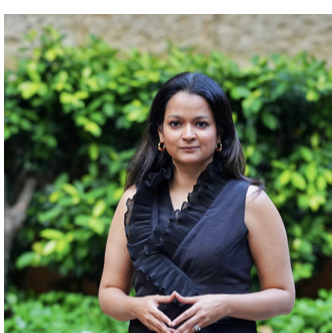
Sai Sudha is the Chief Executive Officer of India Fintech Foundation, where she is responsible for building the organisation into a nationally credible institution for the fintech sector. Following its merger with the Unified Fintech Forum, she led the organisation’s evolution into India’s second RBI-recognised Self-Regulatory Organisation (SRO) for the fintech sector. She brings over two decades of experience across leadership, public policy, foreign direct investment, entrepreneurship and ecosystem building in India, the USA and Hong Kong. Previously, she served as Head of FDI, APAC at Invest India under the Ministry of Commerce, where she led strategic engagements with global CEOs, governments and investors, managed an investment pipeline of over $45 billion, and represented India at more than 100 international forums across Asia-Pacific. She has also led high-profile engagements with the Prime Minister and the Minister of Commerce and Industry. Sai Sudha is a gold medallist from the Great Lakes Institute of Management and has completed a Management Consulting Programme at Harvard University.
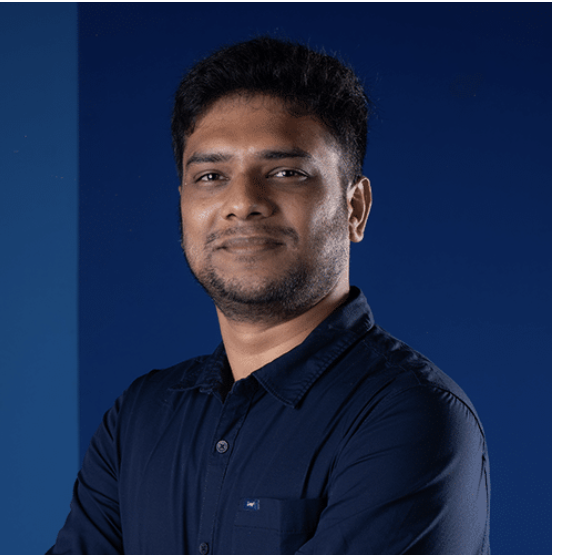
Soumya Pal is an environmental and agricultural economist with research interests in climate adaptation, water governance, and regulation design. He is a PhD graduate from the Indian Institute of Management Bangalore (IIM B). He completed his Master's in Demography from the International Institute for Population Sciences, Mumbai. He is affiliated with the Global Labour Organisation as a Fellow.
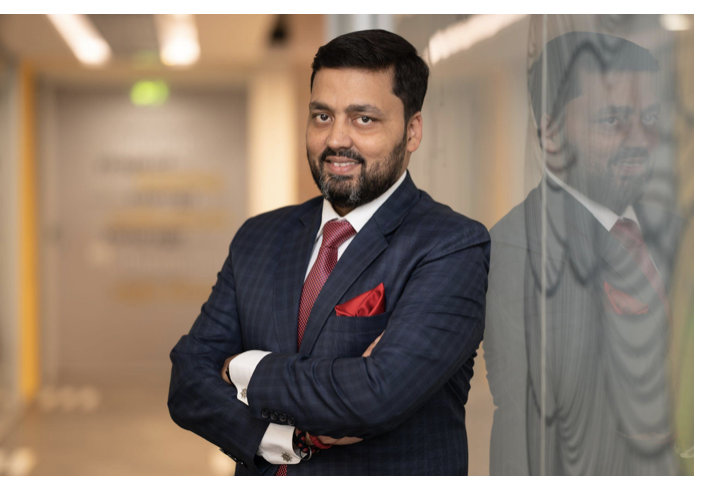
Amit is a Partner in Ernst & Young's Technology Consulting Practice leading the technology led Urban Transformation. He has 20+ years of experience in the areas of consultancy in Digital Transformation, Smart City, Safe City and eGov Services. He has been part of several population scale digital transformation programmes in Ministry of Home Affairs, Ministry of Labour, Ministry of Communication and Ministry of Housing & Urban Affairs.






.png)
.png)