An Impact Evaluation of Self-Help Groups in Meghalaya
Research at a Glance
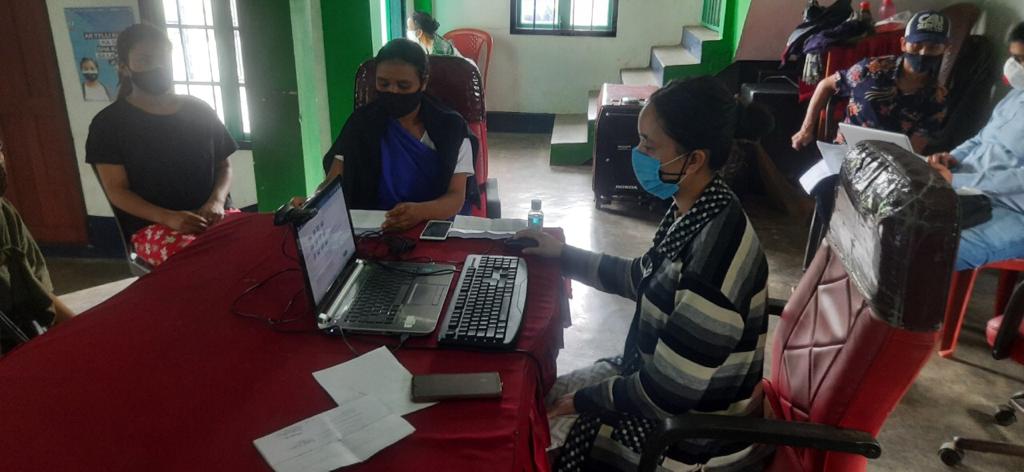
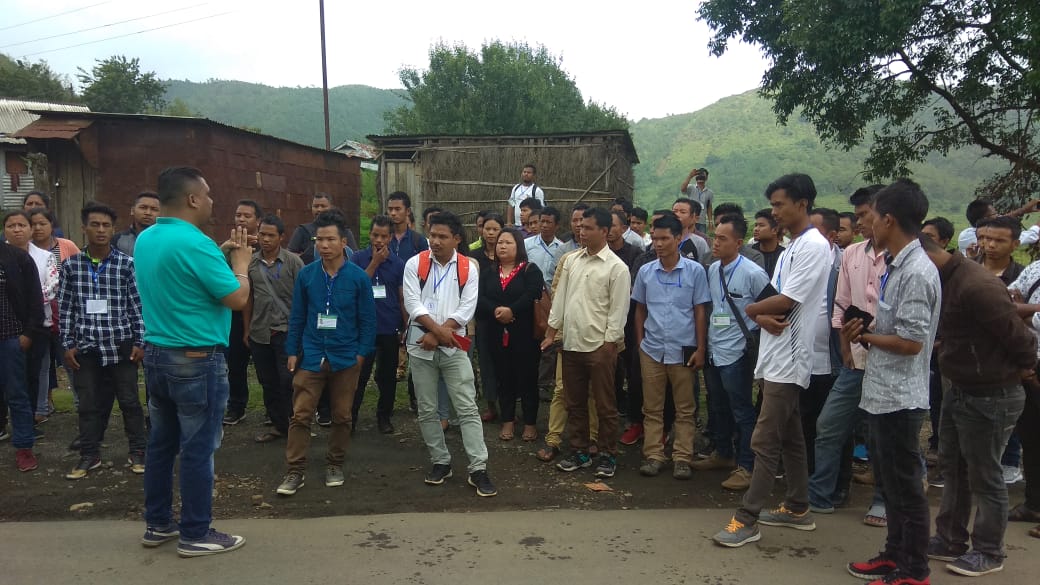
This study evaluates the effectiveness of the National Rural Livelihoods Mission (NRLM) in Meghalaya by assessing the socio-economic outcomes of Self-Help Groups (SHGs) formed across villages in all 11 districts. The focus was on understanding how SHGs have contributed to livelihood enhancement, women’s empowerment, and access to credit and employment opportunities among poor households. The study aimed to measure improvements in income, savings, consumption, and financial inclusion, along with changes in household decision-making power and social participation among SHG members.
11
+
districts of Meghalaya covered under the study.
Assessing how SHGs empower women and strengthen rural livelihoods in Meghalaya.
The study adopted a multistage stratified sampling approach covering SHGs, Village Organisations (VOs), and both member and non-member households. Participants were grouped into treatment and control categories, with control groups drawn from both intervention and non-intervention villages to ensure balanced comparison.
Key findings include:
- High demand for loans among SHG beneficiaries, though loan sizes remain small.
- Increased loan utilisation for medical and livestock purposes.
- Noticeable shift towards formal savings channels, with SHG members saving more in banks.
- Greater livelihood diversification, particularly in livestock, though limited impact on agriculture income.
- Positive behavioural changes such as adherence to Panchasutra norms and improved financial record-keeping.
- No significant difference in overall household expenditure patterns between SHG and non-SHG households.
- Positive impact on ownership of low-value assets, but no improvement in productive asset holdings.
- Lower performance observed in Garo Hills, where SHG activities and income generation lag behind Khasi and Jaintia regions.
Overall, the findings suggest that SHGs have contributed to financial inclusion, social empowerment, and asset accumulation, but further interventions are needed to enhance enterprise-level income and livelihood sustainability.
Who can benefit from this study?
Rural Development Departments and Policymakers
Can use these insights to strengthen SHG structures, enhance credit access, and promote livelihood diversification under NRLM.
NGOs and Financial Institutions
Can leverage the findings to design targeted capacity-building and credit-linked programmes that improve the income-generating potential of SHG members.

.png)
.png)