Impact of Covid-19 on Self-Help Groups in Meghalaya

Research at a Glance

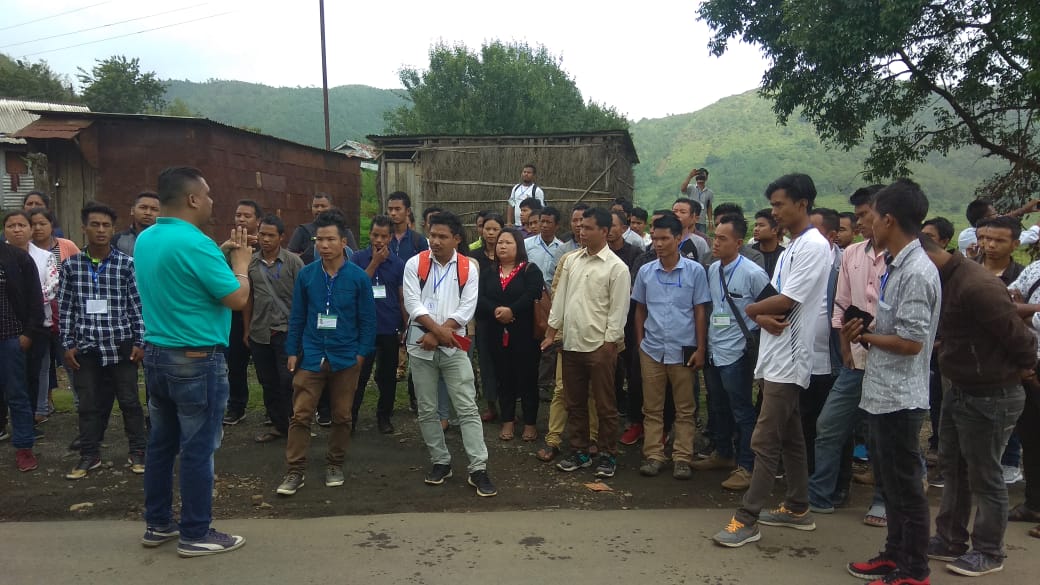
The study was undertaken to assess the impact of Covid-19 on the functioning of Self-Help Groups (SHGs) in Meghalaya, with a particular focus on the economic and social wellbeing of SHG households. It also explored the coping mechanisms adopted by SHGs and the initiatives taken by their members to manage the challenges posed by the pandemic. Covid-19 and its containment measures had widespread socio-economic repercussions across India, and Meghalaya was no exception. To gain a deeper understanding of these effects, CDFI conducted this study to evaluate how SHGs, their members, and their households adapted to disruptions in livelihood, credit access, and community operations.
60
MN+
SHGs and 300 members surveyed across Meghalaya.
24
MN+
focus group discussions conducted using a before-and-after research design.

Examining how SHGs sustained livelihoods and community resilience during the pandemic.

The study used a mixed-methods approach, combining quantitative surveys and qualitative focus group discussions. A before-and-after design helped estimate changes caused by the pandemic, while cross-sectional data captured immediate coping responses.

Key findings:

  • The pandemic caused widespread decline in household income and expenditure, particularly among those dependent on wage labour and agriculture.

  • Rising prices of essentials forced families to reduce consumption, especially of non-vegetarian food.

  • Access to financial and food resources became a challenge, with many households depending on relatives, SHGs, and panchayats for support.

  • The Public Distribution System (PDS) and MGNREGA were crucial safety nets for most households.

  • Loan uptake decreased during Covid-19, but repayment rates remained stable, and SHGs continued to serve as the main source of credit.

  • The number of SHG meetings reduced significantly, though membership levels remained constant.

  • Many SHGs contributed to community welfare by producing and distributing masks and sanitisers, supported by village organisations.

Recommendations:
SHGs can play an active role in future public health and recovery programmes by promoting vaccination awareness, supporting Covid-related campaigns, and initiating income-generating activities to offset household income losses.

Who can benefit from this study?

State Government and Rural Development Agencies
Can use the insights to strengthen crisis-response mechanisms and support SHGs in driving livelihood recovery.
Community Organisations and Development Partners
Can leverage the findings to design resilience-building programmes and promote community-based economic revival through SHGs.

Our other projects