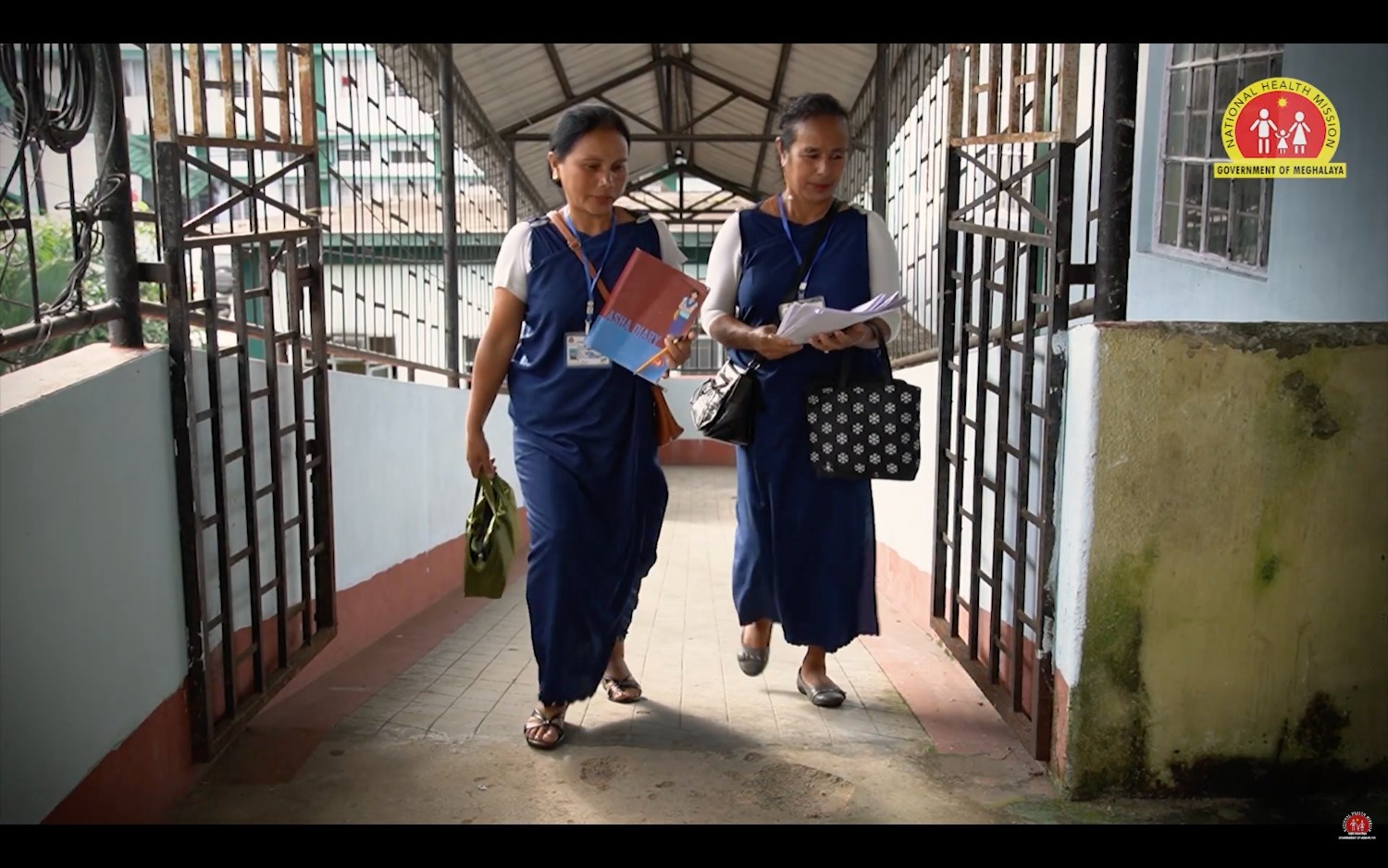
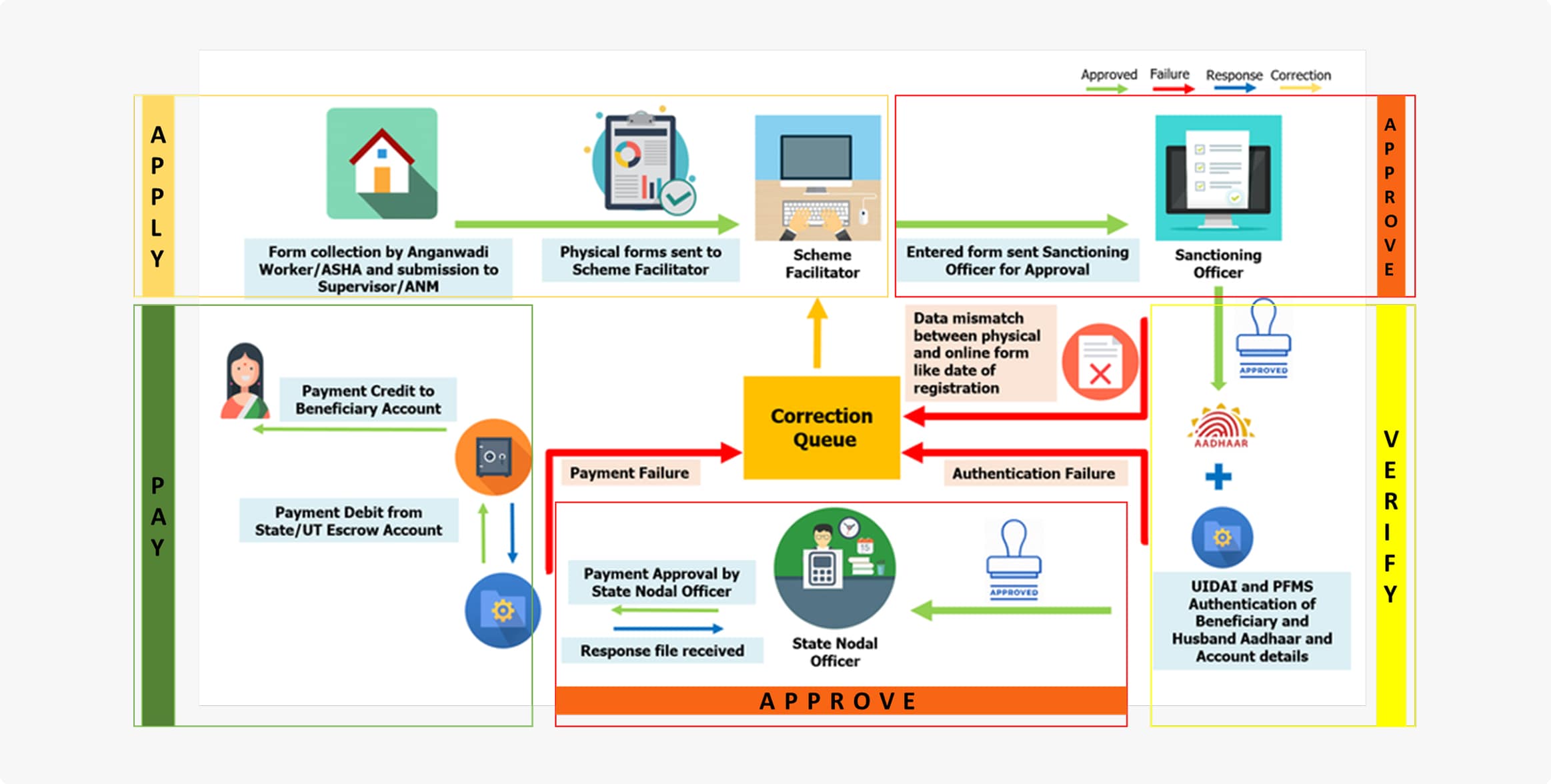
Digitising ASHA payments to deliver what’s due, faster and with full transparency
Claim processing time reduced from 120 days to just 4–5 days
The study focused on understanding the financial and social impact of the SLI programme on women beneficiaries and their households. Key objectives included evaluating improvements in income, savings, financial literacy, self-employment, and women’s empowerment at both household and community levels.
A multi-stage stratified sampling approach was adopted at the branch, group, and household levels to identify treatment and control groups. Data were collected from programme and non-programme households to estimate the measurable impact of the initiative.
The analysis was conducted in two parts. The first used a quasi-experimental retrospective method (Propensity Score Matching and quantile regression) to measure the programme’s effect on income, savings, and outstanding borrowings. The second employed descriptive analysis to assess performance across the three states, evaluating outcomes such as livelihood diversification, asset ownership and debt reduction.